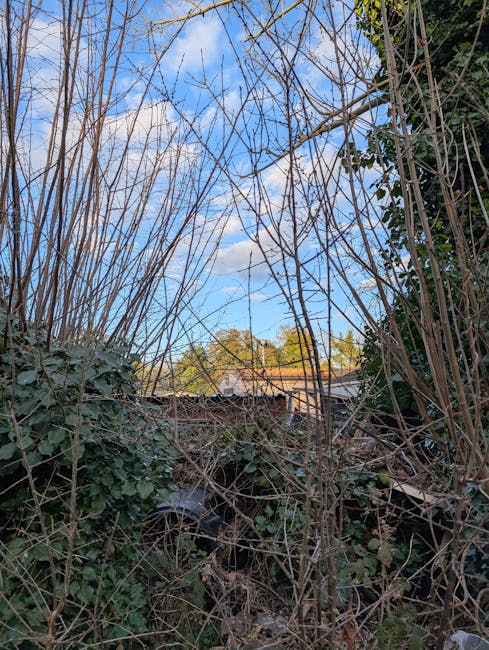
Real cost surprises for garden clearance in Bounds Green
If you have ever looked at a garden in Bounds Green and thought, "That's not too bad, surely," only to discover bags of green waste, a hidden broken shed panel, and a stubborn ivy run that seems to go on forever, you already understand the heart of this topic. Real cost surprises for garden clearance in Bounds Green usually come from the parts of the job people do not see at first glance: access, waste volume, heavy materials, sorting time, and what has to be removed safely rather than just quickly.
That matters because a garden clearance quote can look straightforward on paper and still shift once the real condition of the space is known. In a neighbourhood like Bounds Green, where gardens vary from compact back plots to long, cluttered spaces behind terraced homes, the final price often depends on the details. This guide breaks down where those surprises come from, what actually influences cost, and how to avoid paying more than you need to.
For a broader look at related services and how they fit together, you may also find the services overview useful, especially if your clearance is part of a bigger project involving maintenance, hedges, or landscaping.
Table of Contents
- Why Real cost surprises for garden clearance in Bounds Green Matters
- How Real cost surprises for garden clearance in Bounds Green Works
- Key Benefits and Practical Advantages
- Who This Is For and When It Makes Sense
- Step-by-Step Guidance
- Expert Tips for Better Results
- Common Mistakes to Avoid
- Tools, Resources and Recommendations
- Law, Compliance, Standards, or Best Practice
- Options, Methods, or Comparison Table
- Case Study or Real-World Example
- Practical Checklist
- Conclusion
- Frequently Asked Questions
Why Real cost surprises for garden clearance in Bounds Green Matters
Garden clearance sounds simple until it is not. A quote may seem low because the first visual impression is low-risk: a few branches, some overgrown shrubs, and a bit of general mess. Then the work begins and the real picture appears. Soil has been mixed with rubble. Old timber is heavier than expected. Green waste is wet, tangled, or contaminated with household rubbish. Suddenly the job needs more labour, more time, and a larger vehicle load.
In Bounds Green, that can be especially relevant because access is not always generous. Side returns can be narrow. Rear access may involve steps, shared passageways, or awkward carrying distances. A clearance team may have to work carefully to avoid damaging fences, paving, or decking. That extra care is part of the service, but it can also affect the price. No one enjoys surprise costs, least of all when you are just trying to reclaim a garden and get on with your weekend.
The real issue is not that every extra charge is unfair. Often, it is the opposite: the quote was based on incomplete information. Once you understand which factors drive the final figure, the whole process feels much less frustrating.
Expert summary: The biggest cost surprises in garden clearance usually come from access, waste type, hidden heavy materials, and the amount of sorting required before removal.
How Real cost surprises for garden clearance in Bounds Green Works
A proper garden clearance is more than a quick sweep-up. It usually starts with assessing the site, estimating waste volume, and identifying what needs to be removed, separated, or handled with extra care. In practice, that means one garden might be cleared in a couple of hours while another, seemingly similar, takes far longer because of what is concealed under the obvious mess.
Here is where cost surprises often appear:
- Waste volume is underestimated. Loose branches look light, but once compacted into bags or a van they can take up far more room.
- Mixed waste is more expensive to process. Garden waste mixed with soil, broken pots, plastic, or household rubbish takes longer to sort and dispose of properly.
- Heavy items change the labour calculation. Old sleepers, concrete edging, damp compost, and broken sheds are not "just garden waste". They are often much harder to move.
- Access slows the job down. Long carrying routes, tight gates, and stairs all matter.
- Tree or hedge work adds complexity. If clearance reveals overgrown stems, trunks, or dense hedge cuttings, the job may overlap with services like hedge trimming or tree lopping and removal.
Sometimes a customer thinks they are paying for waste removal, but the real value lies in organisation, sorting, loading, and making sure everything is handled in a responsible way. That is the part people underestimate. It looks like "just moving stuff", but anyone who has hauled damp hedge cuttings down a narrow side path on a rainy afternoon knows better. Bit of a backache job, frankly.
If the clearance forms part of an ongoing upkeep plan, a one-off job may be cheaper than repeated emergency clearances. Routine garden maintenance can reduce the build-up that creates those shock moments later on.
Key Benefits and Practical Advantages
Once you understand the real cost drivers, you can make better decisions and avoid the usual traps. A well-planned clearance is not only about tidying up. It can also save money, reduce stress, and improve the long-term usability of your outdoor space.
Clearer budgeting
When you know what affects price, you can compare quotes properly. You are no longer guessing whether a cheap quote is genuinely good value or just missing important parts of the job.
Less disruption
Garden clearance can be messy and noisy. Good planning keeps the process shorter and cleaner, which is useful if you have neighbours close by or want the work done before a family gathering, a move, or the first decent spell of spring weather.
Better garden recovery
Clearing a garden the right way gives you a clean starting point for mowing, hedge work, planting, or even a bigger redesign. If you are planning improvements, clearance often sits alongside landscape gardening or more general landscaping.
Safer working conditions
Overgrown plots often hide sharp metal, broken glass, slippery algae, unstable wood, or trapped debris. Proper clearance reduces the risk of injury and makes the space safer for children, pets, and anyone doing follow-up work.
Less waste, better organisation
It is easier to separate recyclable green waste from mixed rubbish when the job is approached carefully. That can reduce the "oh, we need another load" problem that catches people out.
Who This Is For and When It Makes Sense
This topic is for anyone who wants a realistic view of garden clearance pricing in Bounds Green before booking. It is especially relevant if you are trying to avoid vague quotes and want to know what a fair job should include.
- Homeowners with a neglected or overgrown garden
- Landlords preparing a property for new tenants
- People getting a home ready for sale
- Buyers taking on a house with an untidy outdoor space
- Families dealing with a garden that has become unmanageable over winter
- Anyone planning a larger garden refresh after clearance
It makes sense to look closely at costs when the garden has not been maintained for a while, when there is mixed waste, or when the job may involve more than simple cutting back. If all you need is regular tidying, a smaller service like lawn mowing may be enough. But if there are piles of branches, old plant matter, and dead growth in corners you have not seen properly since last summer, clearance is probably the smarter route.
And yes, sometimes the "small job" turns out not to be small. Gardens are funny like that. They hide things.
Step-by-Step Guidance
If you want to keep surprises to a minimum, a structured approach helps. Simple, really, but it makes a difference.
- Walk the garden slowly. Look beyond the obvious mess. Check the edges, behind sheds, under shrubs, and along fences.
- List the different waste types. Separate green waste, wood, soil, rubble, broken garden furniture, and anything potentially hazardous.
- Measure access limitations. Note gate width, steps, steep paths, and carrying distance from the garden to the vehicle.
- Decide what stays. If you want to keep pots, timber, compost bins, or decorative stones, make that clear before work starts.
- Ask what is included. Labour, loading, disposal, and sweep-up are not always priced the same way by every provider.
- Request photos or a visit if needed. For larger or awkward gardens, visual inspection is often the only way to reduce guesswork.
- Confirm any extra work in advance. If overgrown hedges, small trees, or damaged structures are likely to need removal, mention them upfront.
- Check how waste is handled. Good practice is to separate what can be recycled and to remove rubbish responsibly.
A helpful way to think about it is this: the clearer you are before the job begins, the fewer awkward conversations there are afterwards. That alone can save money, and a bit of peace of mind too.
Expert Tips for Better Results
In our experience, the best results come from treating garden clearance as a planning task rather than a rescue mission. A few small decisions early on can make a noticeable difference to the final cost.
1. Be honest about the state of the garden
It is tempting to describe the space as "just a bit overgrown" when it is really full of wet bramble, heavy branches, and a broken compost area. The job can only be priced fairly if the description is fair.
2. Separate optional work from essential work
Maybe the main priority is clearing the centre of the garden, not the old border timber or the cracked planters. If you are trying to manage budget, say so. A good team can often stage the work.
3. Use seasonal timing wisely
Winter and early spring often reveal the true size of a clearance job because growth has packed down and hidden the usable space. Late spring and summer can be easier for visual assessment, but the foliage can also make the volume look deceptively larger. Either way, timing affects what you notice.
4. Think about what happens after clearance
If you want a lawn restored, hedges shaped, or a new layout planned, clearing first and then booking follow-up work usually makes more sense than trying to do everything at once. The exception is when there is obvious safety risk or a large structural issue.
5. Keep the quote conversation specific
Ask whether the price covers labour, loading, disposal, and any minimum charge. Also ask what happens if the volume is greater than expected. One calm question upfront can prevent a frustrating surprise later. Not glamorous, but useful.
Common Mistakes to Avoid
Most unwanted cost surprises come from a few predictable mistakes. They are easy to make, especially if you have not booked clearance before.
- Assuming all garden waste is the same. Fresh cuttings and heavy mixed debris are not priced the same in practice.
- Not checking access. A narrow alley or shared passage can add time and labour.
- Forgetting hidden waste. What is under the top layer matters just as much as what is visible.
- Leaving the scope vague. If a provider does not know whether sheds, timber, or soil are included, the quote may be incomplete.
- Choosing only on headline price. A low number can be tempting, but if it excludes removal or disposal, the final bill may be higher anyway.
- Mixing clearance with unrelated work without warning. Decking repairs, stump work, and clearance can overlap, but they are not identical tasks. If you also need help with a decked area, it is better to discuss decking services as a separate part of the project.
A small practical note: if you are clearing after a long spell of neglect, do a quick "poke test" with a rake or broom handle first. You will often find old pots, wire, and odd bits of timber you had completely forgotten about. Strange how that happens.
Tools, Resources and Recommendations
You do not need a huge toolkit to prepare for garden clearance, but a few simple things make the process smoother.
Useful preparation tools
- Gloves with decent grip
- Rake and pruning shears for light sorting
- Heavy-duty bags or containers for separating waste
- Wheelbarrow if the garden is large enough to justify one
- Measuring tape for access points
- Notebook or phone photos for recording what needs removing
Useful information to have ready
- Approximate garden size
- Whether the waste is mostly green, mixed, or heavy
- Any awkward access or parking restrictions
- Whether there are trees, hedges, decking, or built features involved
- Preferred timing and any deadline
For clearer pricing discussions, a page like pricing and quotes can help you think through what should be included before you commit. If the clearance is part of a wider refresh, you may also want to review the broader garden clearance service information so you know how the job is typically approached.
If your goal is not just to clear once but to keep the space manageable, then a mix of clearance and regular upkeep is often the sweet spot. That is where routine maintenance saves money in the long run, even if it feels like an extra cost at the time.
Law, Compliance, Standards, or Best Practice
Garden clearance often involves waste handling, so best practice matters. You do not need to become an expert in waste law to ask sensible questions, but you should expect the work to be done responsibly. In the UK, garden and mixed waste should be handled in a way that avoids fly-tipping, unsafe transport, and careless disposal. If a quote is suspiciously cheap, one question worth asking is where the waste goes and how it is separated.
Health and safety also matters. Overgrown gardens can hide hazards, and clearing them can involve sharp tools, lifting, uneven ground, and unstable material. A reputable provider should work with safe methods, proper equipment, and sensible working practices. If you want to understand how a business approaches this side of the job, the pages on health and safety policy and insurance and safety are useful trust signals to review.
On the environmental side, sorting recyclable green waste from general rubbish is a good standard to expect. It may not always be possible to separate everything neatly, but responsible disposal should be part of the service, not an afterthought. The same goes for ethical service delivery more broadly; a company with clear policies such as recycling and sustainability and a transparent about us page is usually easier to trust than one that says very little.
Options, Methods, or Comparison Table
Not every garden needs the same approach. Sometimes a simple one-off clearance is enough. Other times, you are better off combining clearance with maintenance or more detailed outdoor work. Here is a practical comparison.
| Approach | Best for | Likely cost pressure points | Good to know |
|---|---|---|---|
| One-off light clearance | Small tidy-ups, seasonal refreshes, modest waste | Minimum call-out or labour block | Often quickest when access is easy and waste is mainly green |
| Mixed-waste clearance | Gardens with branches, broken items, and general debris | Sorting time, disposal complexity, load volume | Most common source of surprise extras |
| Heavy clearance | Soil, rubble, sleepers, sheds, old structures | Lifting, loading, vehicle space, extra labour | Can turn into a bigger job very fast |
| Clearance plus maintenance | Neglected gardens that need an ongoing plan | More upfront work, but often better value over time | Helps avoid repeat overgrowth and repeat costs |
As a rule of thumb, if your garden contains more than just soft green waste, expect the pricing conversation to get more detailed. That is normal. It is not a problem; it is just reality.
Case Study or Real-World Example
Imagine a typical Bounds Green back garden after a busy year. The customer thinks it needs "a bit of clearing". When the space is properly assessed, there is more going on: dense ivy behind a shed, a pile of old pots, wet hedge cuttings along one fence, broken timber near the path, and compacted soil where a border used to be.
At first glance, it all looks like one job. In reality, it behaves like several smaller jobs bundled together. The green waste is bulky but manageable. The timber is heavier. The soil is awkward. The access is narrow, so every load takes longer to move. The result is a quote that is higher than the homeowner expected, but it is higher for clear reasons rather than because the work is being padded out.
Now compare that with a second garden just a street or two away. Similar size, same rough level of neglect, but with a wider side passage and almost entirely green waste. The work is quicker, the loading is easier, and the final cost is noticeably different. That is the sort of thing that surprises people. Same area, same word "clearance", different job.
The lesson? A visual estimate is useful, but a proper estimate is better. Even a few photos can help, though for awkward or heavily cluttered spaces, a site visit tends to be the most reliable option.
Practical Checklist
Use this checklist before booking or confirming your clearance:
- Have I identified all the waste types in the garden?
- Do I know whether there is soil, rubble, timber, or mixed rubbish?
- Is access easy, moderate, or awkward?
- Have I noted any sheds, fences, decking, or structures that may affect the job?
- Do I know what I want removed and what should stay?
- Have I asked whether labour, loading, and disposal are included?
- Do I need hedge, tree, or mowing work as well?
- Have I allowed for the possibility of hidden waste?
- Is there a deadline or preferred date?
- Have I checked whether follow-up maintenance would help prevent repeat costs?
If you can answer most of those questions, you are already ahead of the game. Honestly, that little bit of preparation makes the whole process easier.
Conclusion
The real cost surprises for garden clearance in Bounds Green usually come down to a simple mismatch between what a garden looks like and what it actually takes to clear it properly. Access, waste type, hidden debris, and labour all shape the final figure. Once those factors are understood, the process becomes much easier to judge and far less stressful to book.
The best way to avoid surprise pricing is to be specific, ask about the full scope, and treat your garden as a real worksite rather than a quick tidy-up. That mindset alone can save money and frustration. And if the space needs more than a one-off sweep, combining clearance with ongoing care can make the results last longer and cost less over time.
Get a free quote today and see how much you can save.
For a service that fits into a wider garden plan, it is worth exploring garden maintenance or checking the full range of services so you can choose the right next step without guesswork. A tidy garden feels lighter, somehow. Less clutter, less stress. Simple as that.
Frequently Asked Questions
What causes the biggest cost surprises in garden clearance?
The biggest surprises usually come from mixed waste, poor access, hidden heavy materials, and extra sorting time. A garden that looks like a light clearance can become a much bigger job once the top layer is removed.
Is garden clearance in Bounds Green usually priced by the hour or by the job?
It can be either, depending on how the work is assessed. Fixed-price quotes are often easier to budget for, but hourly work may be used where the scope is uncertain. The important thing is understanding what is included.
Why do two similar gardens end up with different clearance prices?
Because the visible size is only part of the story. Access, waste type, hidden debris, and the amount of manual handling can all change the real effort involved. That is why quotes can differ even when gardens look broadly similar.
Can overgrown hedges or trees increase the cost?
Yes. Dense hedge cuttings and tree waste can add a lot of volume and labour. If the job starts to involve woody growth, it may overlap with hedge trimming or tree work, which changes the scope quite a bit.
Should I clear the garden myself before asking for a quote?
Only if it helps you show the actual scope more clearly. You do not need to tidy everything first. In fact, leaving the garden as it is can sometimes help a provider judge the real workload more accurately.
What should I ask before accepting a clearance quote?
Ask whether labour, loading, disposal, and sweep-up are included. Also ask what happens if hidden waste is discovered. A good quote should make the boundaries of the job very clear.
How can I keep garden clearance costs down?
Separate waste where possible, be honest about the condition of the garden, and combine smaller tasks into one visit if that makes sense. Regular upkeep can also reduce the need for larger, more expensive clearances later.
Does mixed garden waste cost more than green waste?
Usually, yes. Green waste is often simpler to handle, while mixed waste may need more sorting and different disposal methods. That extra effort is one of the most common reasons for higher charges.
Is a site visit better than sending photos?
For straightforward gardens, photos can be enough. For cluttered, overgrown, or awkward spaces, a visit is usually more reliable because it reveals access issues and hidden material that pictures may miss.
What if my garden has both clearance and maintenance needs?
That is very common. A one-off clearance may solve the immediate problem, but if the space needs ongoing care, adding maintenance can help stop the same issue coming back a few months later.
How do I know if a quote is too cheap to be true?
If the price seems low but the provider is vague about disposal, labour, or waste type, that is a red flag. Cheap quotes can be fine, but only if the scope is genuinely clear and complete.
When is the best time to book garden clearance?
Whenever the garden has become unmanageable or unsafe. That said, booking before growth peaks or before a move, sale, or major project can make planning easier. Sometimes the best time is simply before the job gets any worse.