N11 Garden Clearance and Gardeners for Small Yards: A Practical Guide for Tidy, Usable Outdoor Space
If your small garden has started to feel more like a storage zone than a place to relax, you are not alone. N11 garden clearance and gardeners for small yards can make a huge difference when space is tight, access is awkward, and every square metre matters. In a compact North London garden, a few overgrown shrubs, a patchy lawn, or an old pile of pots can quickly make the whole space feel heavier than it really is. The good news? With the right approach, even a tiny yard can be cleared, shaped, and turned back into something genuinely useful.
This guide explains how garden clearance works in smaller spaces, what a good gardener should focus on, and how to avoid the common mistakes that turn a quick tidy-up into a bigger job than expected. You will also find a practical checklist, a comparison table, and a straightforward example of what a smart clearance plan looks like in real life. Let's face it, small gardens can be brilliant - but only if they are managed with a bit of care.
Why N11 garden clearance and gardeners for small yards Matters
Small yards are deceptively demanding. There is less room to hide clutter, less buffer for plant growth, and often less tolerance for poor layout. In N11, where many gardens sit behind terraced homes, flats, or compact family properties, a neglected outdoor area can become cramped very quickly. Garden clearance is not only about making things look neat; it is about restoring function.
When a garden gets overgrown, a few things usually happen at once. Paths disappear, drainage can worsen, access becomes awkward, and maintenance starts to feel overwhelming. A small yard can go from "needs a quick tidy" to "I do not know where to start" in what feels like a single season. That is exactly where a thoughtful gardener helps - not by forcing everything into a standard formula, but by working with the size, shape, and everyday use of the space.
There is also a practical value people sometimes miss. In small gardens, bad decisions are magnified. A bulky shrub in the wrong place, a patchy lawn that takes too much light, or self-seeded growth around fences can make the whole area feel smaller than it is. Careful clearance creates breathing room. You notice the difference immediately. The garden looks lighter, and frankly, it feels easier to live with.
If you are looking at your yard and thinking it needs more than a quick sweep, a service that combines clearance with ongoing upkeep can be especially helpful. Many homeowners use garden clearance as the reset, then bring in regular garden maintenance to keep the space under control afterward.
How N11 garden clearance and gardeners for small yards Works
For a small yard, the process should be tidy, staged, and respectful of the space. A good gardener will usually begin by assessing what is present, what needs to be removed, and what should be kept. That sounds simple enough, but it is often where the quality of the work shows up. Some areas need a light clear. Others need a proper cut-back, waste removal, and a rethink of the layout.
Typically, the work starts with a walkthrough. This may be a quick chat about access, overgrowth, existing plants, storage items, and any awkward corners. In a small yard, these details matter because the margin for error is tiny. Where will the waste go? Is there room for tools? Is the gate narrow? Can a wheelbarrow pass through without scraping the fence? These are ordinary questions, but they shape the whole job.
After that, the clearance itself often involves the following:
- cutting back overgrown shrubs, climbers, and boundary growth
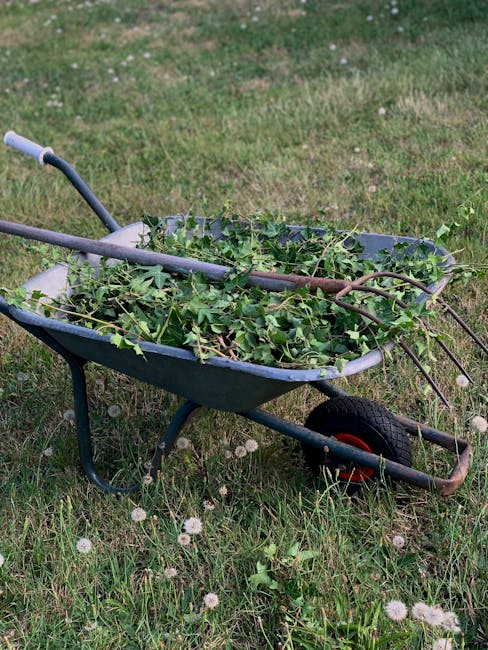
- removing dead plants, debris, old pots, and loose garden waste
- strimming edges and awkward corners
- lifting or reducing congested planting where appropriate
- treating or clearing problem areas before they spread further
- neatening paths, patio edges, and access points
Some small yards need more than clearance alone. For example, a space that has become dark and cluttered may also benefit from soft landscaping changes, better planting structure, or even the addition of a simple decked area. If that sounds familiar, it can be worth looking at broader landscape gardening or carefully planned landscaping work once the basics are cleared.
In our experience, the best results come from a measured approach. Clear first. Then assess. Then improve. Rushing straight into replacement planting before the space is understood can be a bit of a false economy. It looks busy, but not always better.
Key Benefits and Practical Advantages
The biggest benefit is obvious: you get your garden back. But there is more to it than that. A properly cleared small yard becomes easier to use, easier to maintain, and easier to enjoy. That matters whether you want a place for morning coffee, somewhere for children to play safely, or just a cleaner view from the kitchen window.
Here are the main advantages people usually notice first:
- More usable space: removing clutter and overgrowth instantly makes the yard feel larger.
- Lower maintenance pressure: once the garden is back under control, future upkeep becomes far less stressful.
- Better light and airflow: cutting back growth can brighten the space and reduce that heavy, closed-in feeling.
- Safer access: tidy paths, clearer edges, and removed hazards reduce trips and awkward movement.
- Healthier planting conditions: overcrowded shrubs and neglected beds can be reshaped so the remaining plants have room to recover.
There is also a visual benefit that is hard to overstate. A neat small garden tends to look intentional, even if the actual work is quite modest. You trim, you thin, you remove the obvious problem areas - and suddenly the whole place reads differently. It feels cared for. Not perfect, just cared for. Which, to be fair, is usually what people are after.
For households juggling work, children, and everything else, that reduced burden is worth a lot. A small yard should not become a second job. It should fit your life.
Who This Is For and When It Makes Sense
N11 garden clearance and gardeners for small yards make sense for a wide range of property types, but they are especially useful if your outdoor space is limited, enclosed, or difficult to access. The smaller the garden, the more efficiently it needs to be managed. A bit of growth left unchecked can crowd the whole space in no time.
This service is a strong fit if you:
- have an overgrown yard that now feels difficult to use
- are moving house and want the garden to look presentable
- have inherited a neglected outdoor space and do not know where to begin
- need seasonal clearance before planting, lawn work, or patio cleaning
- want to convert a cluttered yard into a more manageable layout
- need help with heavy lifting, waste, or awkward access
It also makes sense when you are dealing with a garden that is technically small, but oddly complex. Maybe there is a steep step, a side return, or a narrow passage that makes DIY clearance frustrating. That is one of those jobs where a trained gardener saves both time and a fair bit of annoyance. You know the sort of thing: the hedge looks manageable from the window, then you step outside and realise the bin bags are multiplying.
If the space needs ongoing attention after the clearance, regular services such as lawn mowing and hedge trimming can help keep the garden from slipping back into disorder. For some homes, that steady rhythm matters more than one-off dramatic changes.
Step-by-Step Guidance
If you want the process to go smoothly, it helps to think in stages. Small yards reward good planning. There is less room to correct mistakes later, so a simple sequence usually gives the best result.
- Walk the space carefully. Look at access, surfaces, planting, waste, and anything that may need special handling. Take note of what you want kept, cut back, or removed.
- Separate the priorities. Some things are urgent - dead growth, blocked access, broken items, or unsafe overhangs. Others can wait. Sorting them early keeps the job efficient.
- Clear the obvious clutter first. Move pots, tools, old compost bags, loose wood, and temporary items out of the way so the true condition of the garden is visible.
- Cut back in layers. Start with the largest or most intrusive growth, then refine the shape. In a small yard, a little at a time is often better than taking everything back hard.
- Remove waste as you go. Don't let piles build up. It makes the garden feel smaller and can create trip hazards.
- Check the structure. Once the growth is cleared, look again at fences, steps, edging, and beds. You may suddenly see small issues that were hidden before.
- Decide what happens next. Keep the garden simple, replant, or plan maintenance. This is the moment to choose a direction, not just tidy and hope.
A useful rule of thumb? If you cannot easily walk through the garden without navigating around something, it is probably time for clearance. If you cannot see the edge of a bed because it has merged into the rest of the yard, that is another clue. Small spaces are very honest like that.
Expert Tips for Better Results
A few practical habits can make a small yard feel dramatically better after clearance. These are the kinds of details that separate a quick tidy from a genuinely useful reset.
- Keep the strongest line visible. In a small yard, clear boundaries help the eye understand the space. That may mean defining the edge of a bed, a path, or a lawn more sharply.
- Use vertical space carefully. Small gardens benefit from climbing plants, trellis work, or wall features, but only when they are controlled. Otherwise, they just swallow the space.
- Leave room to move. Avoid packing in too many containers or oversized shrubs. A little empty space is not wasted space.
- Work with light, not against it. If one corner is always shaded, dense planting there may struggle. A cleaner, simpler arrangement is often smarter.
- Match the maintenance level to your routine. If you only have time for a light monthly tidy, design for that. Don't build a garden that expects heroic effort every weekend.
One small but important tip: ask for the garden to be cleared in a way that preserves future options. Sometimes a client wants everything "gone", only to realise later they would have preferred to keep one rose or a well-established climber. A careful gardener should flag that before cutting. Good communication saves regret. Simple as that.
If safety is a concern, especially around unstable trees, tall overgrowth, or heavy debris, it is sensible to work through a provider's safety approach. Pages like health and safety policy and insurance and safety help set expectations for responsible work.
Common Mistakes to Avoid
Small yards are unforgiving when it comes to bad planning. A small error can have a surprisingly large visual impact. That is why it pays to avoid the usual traps.
- Clearing everything at once without a plan: you can accidentally strip the garden of useful structure or privacy.
- Ignoring waste removal: garden debris left on site makes the space feel unfinished and can attract pests or dampness.
- Over-pruning: heavy cuts can leave shrubs stressed or bare, and in small spaces the result may look harsher than expected.
- Forgetting access limits: narrow gates, shared paths, and small front gardens can affect the time and method required.
- Trying to fit too much back in: after clearance, it is tempting to refill the space. Resist that urge, at least for a week or two.
Another common mistake is focusing only on appearance. A yard that looks tidy on day one but is awkward to maintain by day ten is not really a success. The better outcome is a space that stays usable with ordinary effort. Not perfect. Just manageable. That is the real win.
And yes, it is easy to underestimate how much mess can hide behind one overgrown corner. I have seen a tiny side yard produce more green waste than a much larger back garden. Gardening can be a bit cheeky like that.
Tools, Resources and Recommendations
For garden clearance in small yards, the best tools are usually the ones that make controlled work easier, not the loudest or biggest ones. Compact spaces favour precision. A heavy machine may be overkill where a careful cut and a good rake will do the job cleanly.
Commonly useful tools and equipment include:
- secateurs for fine pruning and tidying small stems
- loppers for thicker branches in manageable sections
- hedge trimmers for shaping and reducing overgrowth
- strimmers or brush-cutting equipment for stubborn edge growth
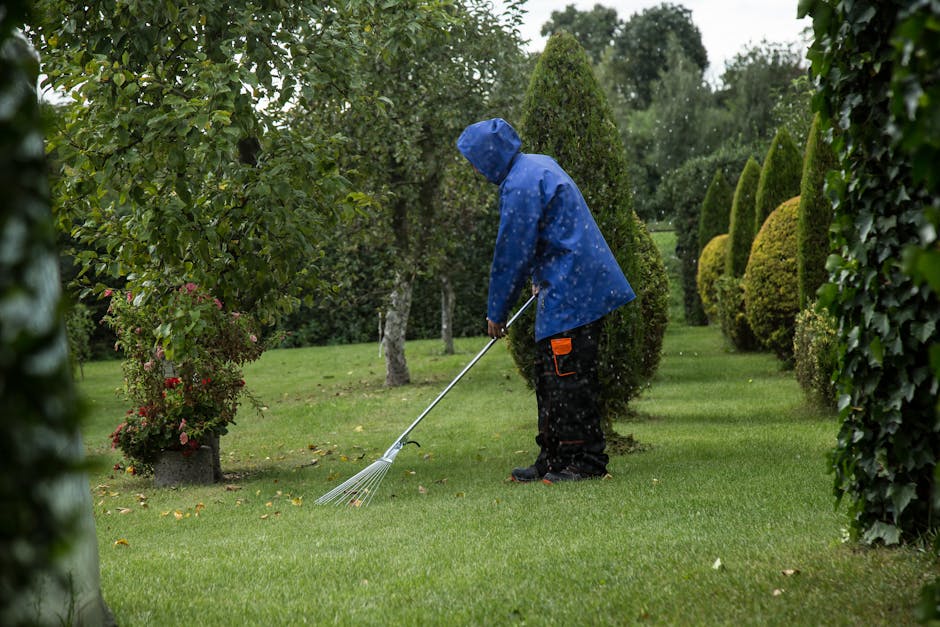
- rakes, tarpaulins, and waste bags for fast collection
- gloves, eye protection, and sturdy footwear for safety
If you are deciding between one-off clearance and ongoing care, it can help to review broader services first. A page like services overview gives a clearer sense of how clearance, maintenance, mowing, and trimming can fit together across a year. For regular upkeep, garden maintenance is often the simplest way to stop the garden from sliding back.
When planning costs or budgeting, look for clear communication and written expectations. A helpful starting point is pricing and quotes, especially if the garden has access issues or extra waste that could affect the scope of the job. Small yard jobs can look straightforward at first glance, then reveal hidden work once the clearance starts.
Law, Compliance, Standards, or Best Practice
For garden work in the UK, the main thing to remember is that clearance should be carried out responsibly, safely, and with proper waste handling. Exact obligations can vary depending on the site, the work involved, and how waste is removed. If there are trees, protected features, or shared access areas, extra care may be needed. When in doubt, it is better to pause and assess than to guess.
Good practice usually includes:
- checking for hidden hazards before cutting or moving material
- using appropriate protective gear and safe lifting methods
- keeping pathways clear during the job
- separating reusable, recyclable, and general waste where possible
- avoiding unnecessary damage to fences, paving, or neighbouring boundaries
Responsible disposal matters too. Garden waste should not simply be dumped because the garden is small. A clear recycling approach helps reduce mess and keeps the work tidy from start to finish. If sustainability matters to you, a provider that explains its approach to recycling and sustainability is usually a good sign. Not flashy, just sensible.
It is also wise to check the provider's service terms before work starts. That helps everyone stay aligned on scope, timing, access, and what happens if the job changes once the garden is opened up. A straightforward terms and conditions page can clarify the practical side without adding drama.
Options, Methods, or Comparison Table
Not every small yard needs the same level of intervention. Sometimes the best choice is a light seasonal tidy. Other times a deeper clearance is the only realistic starting point. Here is a simple comparison to help you decide.
| Approach | Best for | Typical outcome | Main trade-off |
|---|---|---|---|
| Light tidy and prune | Small yards that are mostly under control | Cleaner edges, better shape, less clutter | Won't solve deeper overgrowth or layout issues |
| Full garden clearance | Neglected or heavily overgrown spaces | A reset with waste removed and access restored | More disruptive at first, but often the best restart |
| Clearance plus maintenance | Homeowners who want the garden kept in shape | A tidy yard that stays manageable over time | Requires ongoing visits or scheduled upkeep |
| Clearance plus landscaping changes | Spaces that need redesign as well as cleaning | A more usable and attractive layout | Needs more planning and usually a bigger budget |
For many N11 homes, the sweet spot is somewhere between a clearance and a simple maintenance plan. That way the garden is reset properly, but it is not left to drift again. A small yard often needs consistency more than complexity.
Case Study or Real-World Example
Picture a narrow back yard behind a terraced home. It has a small patch of lawn, a couple of beds, and a fence line that has been swallowed by bramble growth. There are a few broken pots near the back, a path that is half hidden, and one shrub that has grown far wider than anyone remembers planting. Nothing dramatic on its own. Together, though, it makes the space feel tight and a bit forgotten.
The first pass focuses on clearance: the waste is removed, the brambles are cut back, the path is revealed, and the shrub is reduced to a manageable shape. Once the clutter is gone, the garden suddenly reads differently. The lawn is visible again. Light gets in. The owner can see the corners properly, which sounds minor but changes how the space feels when you step outside at 8am on a damp London morning.
Then comes the decision stage. Do you keep the lawn, or replace it with a lower-maintenance surface? Do you retain the shrubs, or rework the bed entirely? In this kind of yard, the right answer is usually not to do everything at once. Clear first, live with the space, then decide what earns its place. That approach tends to prevent expensive mistakes.
In the end, the garden becomes simpler to use. The owner can now sweep it in minutes, water the plants without tripping over clutter, and maintain the space with far less effort. Honestly, that is often the point. Not a magazine garden. A garden that works.
Practical Checklist
Before you book or begin, run through this checklist. It keeps things focused and helps the project stay realistic.
- Identify what must be removed and what should be kept
- Check whether access is narrow, shared, or awkward
- Decide if the goal is clearance, maintenance, or a small redesign
- Look for hidden hazards, unstable growth, or broken items
- Confirm how garden waste will be handled
- Ask whether the garden needs hedge cutting, mowing, or tree-related work as part of the job
- Think about whether the space will need ongoing upkeep afterward
- Review service details and expectations before work begins
- Choose a simple finish that matches how you actually use the garden
If you want a more rounded approach, it can help to combine clearance with related services such as lawn mowing for open areas, or tree lopping and removal where larger growth is blocking light or space. Used properly, these services support each other rather than competing.
And one last thing: if your garden has hidden layers of old clutter under the ivy, do not feel bad about it. Happens all the time. More often than people admit.
Conclusion
N11 garden clearance and gardeners for small yards are about more than making a space look tidy. They help you reclaim useful ground, reduce maintenance stress, and make a compact garden feel calmer and more intentional. In small spaces, every cut, every cleared corner, and every decision about what stays matters. That is why a measured, practical approach usually works best.
The strongest results come from a simple sequence: clear what is blocking the space, keep the structure that still serves a purpose, and then decide how much ongoing care the garden really needs. If you get that balance right, even a modest yard can feel surprisingly generous. That small bit of room outside can become one of the nicest parts of the home.
Get a free quote today and see how much you can save.
If you are ready to take the next step, a clear conversation about scope, access, and finish will save time on both sides. For practical support and a service overview, start with the pages on about us and contact us to understand how the service is structured and how to move forward.
Frequently Asked Questions
What is N11 garden clearance and gardeners for small yards meant to cover?
It usually covers clearing overgrowth, removing unwanted garden waste, tidying edges, and restoring a small outdoor space so it is easier to use and maintain. In many cases, it also includes light pruning and access clearance.
How often should a small yard be cleared?
That depends on how fast the garden grows and how much time you have for upkeep. Some yards only need an annual reset, while others benefit from seasonal clearance and regular maintenance throughout the year.
Is garden clearance different from regular garden maintenance?
Yes. Garden clearance is usually a bigger reset job, often dealing with overgrown, neglected, or cluttered spaces. Maintenance is the ongoing care that keeps the garden in shape afterward.
Can a very small garden still be improved without redesigning everything?
Absolutely. A small yard can often feel much better after basic clearance, better edging, and a simple maintenance routine. You do not always need a full redesign to make a real difference.
What should I do before the gardener arrives?
Move any personal items you want to keep, make sure access is clear, and note anything that needs special care. It also helps to decide what you want removed versus what you want preserved.
Will a gardener remove all the waste?
That depends on the agreed service, so it is worth checking in advance. Many clearance jobs include waste removal, but scope should always be confirmed before work starts.
What if my small yard has trees or heavy overgrowth?
If there is substantial tree growth, awkward branches, or difficult access, the job may need more specialist handling. In those cases, services like tree work or careful cut-back can be part of the plan.
Is it better to clear a yard before replanting?
Usually, yes. Clearing first gives you a better view of the space, its light levels, and any hidden issues. That makes later planting or layout changes far more sensible.
How can I keep a cleared small yard from getting messy again?
A simple routine works best: mow if there is lawn, trim growth before it gets unruly, remove debris regularly, and avoid overfilling the space with containers or furniture. Consistency beats big rescue jobs every time.
Are small garden jobs still worth booking professionally?
Very often, yes. Small yards can be surprisingly time-consuming because of tight access, detailed cutting, and waste handling. A professional approach can save effort and deliver a cleaner, safer finish.
How do I know if I need clearance, landscaping, or just a tidy-up?
If the garden is mostly usable, a tidy-up may be enough. If it is heavily overgrown or cluttered, clearance is the better starting point. If you want a different layout or a more permanent change, landscaping may be worth considering after the clearance.
What is the biggest mistake people make with small yards?
Trying to do too much at once is a common one. The space can end up overcrowded again, or important structure can be removed by accident. In a small garden, restraint is often the smartest move.