Bounds Green Road Garden Maintenance by Local Gardeners: A Practical Guide for a Healthier, Better-Kept Garden
If you live or work near Bounds Green Road, you already know how quickly a garden can go from "nearly there" to slightly wild. One windy week, a bit of rain, then a burst of growth, and suddenly the borders look crowded, the lawn is patchy, and the hedges have a mind of their own. That is exactly where Bounds Green Road garden maintenance by local gardeners comes in. It is not just about making things look tidy for a day; it is about keeping an outdoor space manageable, healthy, and ready to use through the seasons.
Local gardeners bring something useful that a one-size-fits-all service often misses: they understand the rhythm of the neighbourhood, the style of local gardens, and the kinds of issues that appear again and again in London plots. In this guide, we will look at what garden maintenance actually includes, how it works, who needs it, and how to get better long-term results without wasting money or effort. A good garden should feel like a relief, not another job on the list.
Table of Contents
- Why Bounds Green Road garden maintenance by local gardeners Matters
- How Bounds Green Road garden maintenance by local gardeners Works
- Key Benefits and Practical Advantages
- Who This Is For and When It Makes Sense
- Step-by-Step Guidance
- Expert Tips for Better Results
- Common Mistakes to Avoid
- Tools, Resources and Recommendations
- Law, Compliance, Standards, or Best Practice
- Options, Methods, or Comparison Table
- Case Study or Real-World Example
- Practical Checklist
- Conclusion
- Frequently Asked Questions
Why Bounds Green Road garden maintenance by local gardeners Matters
Garden maintenance sounds simple on paper. Mow, trim, weed, repeat. In reality, it is the difference between a garden that feels calm and usable and one that slowly becomes harder to enjoy. On a busy road like Bounds Green Road, there is often a mix of front gardens, narrow side spaces, courtyard-style plots, shared access areas, and back gardens that need a bit more attention than they are getting.
Local gardeners understand the practical realities of maintaining gardens in this part of London. Space can be tight. Access may be awkward. Soil can vary a lot from one property to the next. And let's face it, many people do not have the time to keep up with seasonal jobs properly. A quick tidy-up can help in the moment, but if beds are never edged, shrubs are never reduced, and lawns are never managed, the garden starts working against you.
There is also a quality-of-life point here. A maintained garden is easier to use for family time, a morning coffee, a bit of fresh air, or simply for not feeling embarrassed when the back gate is opened. That is not a small thing. Outdoor space in London is valuable, even when it is modest.
Expert summary: Good garden maintenance is preventative, not just cosmetic. The best results usually come from regular attention, local knowledge, and a clear plan for what needs doing now versus what can wait until the next visit.
How Bounds Green Road garden maintenance by local gardeners Works
Garden maintenance is usually built around a simple idea: keep the space healthy and manageable through regular, practical visits. A local gardener will typically begin by assessing the condition of the garden, noting what needs immediate attention and what needs ongoing care. Then a maintenance plan is shaped around the property, the season, and the level of finish you want.
For many gardens, that plan will include a mix of mowing, hedge cutting, pruning, weeding, clearing fallen leaves, edging, deadheading, and general tidying. In some cases, it also means checking plant health, improving mulch coverage, reshaping beds, or advising on drainage and overgrowth issues. The work may be one-off, weekly, fortnightly, monthly, or seasonal. It depends on how quickly the garden grows and how polished you want it to look.
If you are comparing service providers, it helps to look beyond just the headline task. A professional service should be able to explain what is included, what is not, and how the work will be recorded or followed up. You can see a broader outline of service types on the services overview page, which is useful if you want to understand how maintenance fits alongside other garden work.
What a typical visit may involve
- Checking the garden for urgent growth, damage, or hazards
- Cutting grass, if the lawn is part of the maintenance plan
- Weeding borders, paths, and paved edges
- Pruning shrubs or light tree growth where appropriate
- Trimming hedges and shaping soft landscaping
- Clearing cuttings and leaving the site neat
- Flagging anything that needs a separate quote or specialist attention
Not every visit includes all of the above, of course. A courtyard garden in Bounds Green Road will not need the same routine as a larger rear garden with mature planting. The point is to work to the garden, not force the garden to fit a rigid template. That is where local experience really pays off.
Key Benefits and Practical Advantages
The most obvious benefit is a nicer-looking garden. Fair enough. But there is more going on underneath that.
1. Better plant health
Regular maintenance helps plants grow in the right direction. Deadheading, pruning, and tidying around the base of plants all reduce stress and make it easier to spot problems early. A neglected shrub can become woody and tangled before you know it. Keep on top of it and the whole space behaves better.
2. Less expensive repair work later
Small issues are usually cheaper to deal with than big ones. A patch of weeds left to seed can create a much bigger job later. A hedge left too long can take more time and skill to bring back into shape. Maintenance is a bit like servicing a boiler or cleaning gutters. Not glamorous, but it saves headaches.
3. More usable outdoor space
When paths are clear, borders are controlled, and the lawn is workable, the garden becomes part of daily life again. You use it more. Kids can play, pets can move around safely, and you are less likely to avoid it because it looks like a Saturday swallowed whole.
4. A more consistent appearance
Local gardeners who work regularly on the same property know the details that matter. They notice when a bed begins to drift, when the lawn needs a different cut pattern, or when one area always collects debris after rain. Consistency matters more than dramatic before-and-after moments.
5. Better seasonal planning
Garden maintenance is not just about the present week. A sensible plan accounts for spring growth, summer watering, autumn clearance, and winter protection. In other words, it stops you from being ambushed by the season.
6. Easier budgeting and decision-making
If you know what kind of care your garden needs, it is easier to ask for a fair quote and compare like with like. For that, the pricing and quotes information can help you think clearly about the scope of work before agreeing anything.
Who This Is For and When It Makes Sense
Garden maintenance is not only for people with huge gardens or time-consuming borders. In fact, it is often most useful for ordinary homes where the outside space keeps slipping down the priority list.
It makes sense if you are:
- A homeowner who wants a tidy, usable garden without doing all the upkeep yourself
- A landlord trying to keep the property presentable between tenancies
- A tenant with responsibility for basic garden care under your agreement
- A busy family that needs regular help to stay on top of growth
- An older resident who prefers reliable support with physically demanding tasks
- A property manager looking after shared or front garden areas
It also makes sense if your garden keeps reaching a "nearly tidy" state but never quite stays there. That is a very common pattern. One weekend of effort helps, then the weeds are back, the edges blur, and somehow the whole place looks older than it should. A local gardener can reset the baseline and keep it there.
There is also the matter of safety. Overgrown paths, slippery moss, broken edges, and hidden trip hazards are all easier to deal with before they become real problems. If you are not sure whether a job is routine maintenance or something more involved, a proper site visit is usually the clearest next step.
Step-by-Step Guidance
If you are arranging garden maintenance for the first time, it helps to approach it in a clear order. The process does not need to be complicated, but it should be deliberate.
- Walk the garden and note the pain points. Look at what keeps getting worse: weeds, lawn condition, hedge growth, leaf build-up, or messy borders.
- Decide what outcome you want. Do you want a one-off tidy, seasonal support, or a repeating maintenance plan? Be specific. "Neater" is good, but "clear paths, trimmed hedges, and weeded beds" is better.
- List any access issues or restrictions. Narrow gates, shared entrances, parking limits, or fragile planting should be mentioned early. It saves time later.
- Ask what is included. Not all maintenance visits cover waste removal, pruning height limits, or specialist plant care. Clarify it.
- Agree the frequency. Fast-growing gardens usually benefit from more regular visits. Slower-growing spaces may only need monthly or seasonal support.
- Review the first visit carefully. A good first session often reveals more than expected. That is normal. A little roughness at the start is fine if there is a clear plan to bring the garden into shape.
- Keep a short list of follow-up jobs. Maybe a bed needs reworking later, or the lawn needs recovery after a dry spell. Keep those notes handy.
One thing people often underestimate is the value of the first reset. After that, maintenance becomes much easier. The garden stops fighting you every time you open the door. Small win, but a real one.
Expert Tips for Better Results
Truth be told, the best-maintained gardens are rarely the ones with the biggest budgets. They are the ones with clear priorities and a sensible routine.
Keep the maintenance rhythm steady. Waiting too long between visits often means more hard pruning, more waste, and less refined results. Regular attention usually gives a cleaner finish.
Match the work to the season. Spring and early summer often need growth management. Late summer can bring deadheading and shaping. Autumn is leaf-heavy and messy in a very specific way. Winter is quieter, but not empty. There is always something.
Don't cut everything back at once. Some plants tolerate hard pruning; others do not. A careful gardener will know the difference, or at least check before taking a drastic approach. That matters more than people think.
Use mulch where appropriate. It helps suppress weeds and hold moisture, and it gives beds a more finished look. Not every garden needs the same material, so the aim is practicality, not dressing things up for show.
Look after the lawn in small ways. Adjusting mowing height, keeping blades reasonably sharp, and not cutting grass too short in dry periods all help. A stressed lawn can look tired very quickly.
Keep communicating. If you notice a plant under stress or a section that needs extra attention, say so. The best results usually come from a simple, ongoing conversation rather than a one-off instruction and silence.
Ask about green waste handling. Some maintenance jobs produce a surprising amount of cuttings. It is useful to know how that will be managed, especially if you are planning multiple clearances in a year.
Common Mistakes to Avoid
There are a few garden maintenance mistakes that show up again and again. Most are easy to avoid once you know what to watch for.
- Waiting until everything is overgrown. This turns routine upkeep into heavy work and can make the garden feel less manageable than it really is.
- Assuming one visit fixes everything permanently. Sometimes a garden needs a reset, but then it needs maintenance after that. The two are not the same.
- Choosing a gardener only on price. A very low quote may miss important tasks, skip proper waste removal, or simply be unrealistic for the amount of work involved.
- Not clarifying boundaries and access. Shared paths, side entrances, and neighbour-adjacent hedges can cause confusion if they are not discussed first.
- Over-pruning at the wrong time. Some plants recover well, others do not. Heavy-handed cutting can set them back badly.
- Ignoring drainage or soil issues. If an area is repeatedly waterlogged or compacted, basic tidying will only solve part of the problem.
There is also a mental trap people fall into: "I'll do it properly next month." And then next month arrives with rain, work, school runs, life, all of it. Completely understandable, but it is how small jobs turn into bigger ones. A little steadiness helps more than heroic effort every now and then.
Tools, Resources and Recommendations
A good local gardener will usually bring the right tools for the task, but it still helps to know what tends to be used and why. You do not need to own all of this yourself, but understanding the basics makes conversations much easier.
Common tools for garden maintenance
- Hand shears and secateurs for pruning and shaping
- Hedge trimmers for clean, even hedge work
- Lawn mowers for regular grass cutting
- Forks, rakes, and spades for clearing and light soil work
- Gloves, goggles, and sturdy footwear for safety
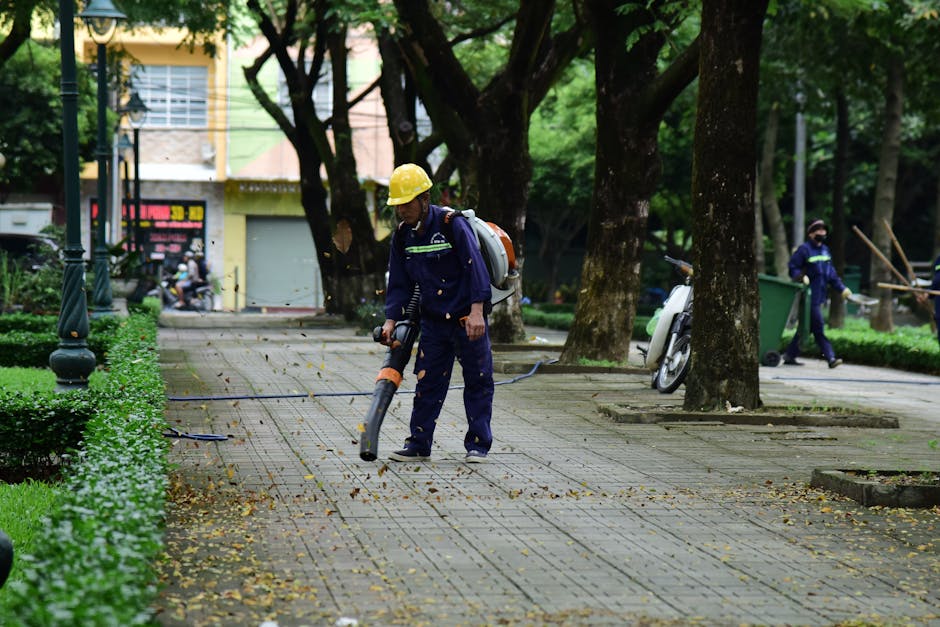
- Leaf blowers or rakes for autumn clearance, depending on the setup
- Wheelbarrows, sacks, or bins for moving green waste
Useful things to ask before work starts
- Will green waste be removed or left onsite?
- Do you work to a set visit length or a list of tasks?
- Can the work be adapted if the garden needs more attention than expected?
- Are there any plants or structures that need special care?
It is also sensible to check how payments are handled and whether there are clear terms for booked visits. That helps avoid confusion later. If you want to understand that side of things, the payment and security information and terms and conditions are useful pages to review before confirming anything.
For readers who care about the environmental side, green waste handling and responsible disposal are worth asking about too. The company's recycling and sustainability page is a sensible place to start if you want to know how waste and materials are approached. Not every garden job has to create more mess than it solves.
Law, Compliance, Standards, or Best Practice
For everyday residential garden maintenance, the main thing is to follow good practice rather than overcomplicate the legal side. Still, it is wise to work with people who take safety, insurance, and responsible conduct seriously. If a gardener is using machinery, working at height, handling waste, or entering private property, those basics matter.
In practical terms, that means checking that the work will be carried out safely, that the service provider is insured where appropriate, and that any riskier tasks are handled carefully. You do not need to become a compliance expert. You just need enough clarity to know you are dealing with people who respect the property and the work.
Where waste is concerned, garden cuttings and soil should be handled responsibly. Where tools are concerned, they should be used properly and stored safely. Where access is tricky, the site should be assessed before anyone starts. Simple stuff, but very important.
If you want a better sense of the service approach behind the scenes, the insurance and safety information and health and safety policy give a helpful picture of how a responsible provider thinks about risk. There is also the about us page if you want to understand the people and values behind the work.
One small but important point: if a job starts drifting beyond routine maintenance into major clearance, tree work, or structural issues, it may need a different approach. Better to say so plainly than to pretend otherwise. That sort of honesty saves everyone time.
Options, Methods, or Comparison Table
Different gardens need different kinds of maintenance support. The right choice depends on how quickly the space grows, how tidy you want it, and how much you want to handle yourself.
| Approach | Best for | Pros | Limitations |
|---|---|---|---|
| One-off tidy-up | Overgrown gardens, end-of-tenancy jobs, pre-event preparation | Quick reset, immediate visual improvement | Does not prevent the garden becoming messy again |
| Regular maintenance visits | Homes that need ongoing control and neat presentation | Consistent results, less backlog, easier budgeting | Requires planning and repeat bookings |
| Seasonal maintenance | Gardens with slower growth or lower usage | Good balance of cost and upkeep, strong seasonal focus | Some areas may need interim attention |
| DIY with occasional help | People who like gardening but need support for heavier jobs | Flexible, lower ongoing cost | Can become patchy if life gets busy |
For many households on Bounds Green Road, regular maintenance is the sweet spot. It keeps things under control without making the garden feel like a permanent project. That said, if the garden has been neglected for a while, a one-off reset followed by a lighter recurring schedule can work very well. A bit of structure goes a long way.
Case Study or Real-World Example
Here is a realistic example. A front and rear garden near Bounds Green Road has become uneven over the course of a few months. The front hedge has grown beyond the neat line, weeds are pushing through the gravel, and the back lawn has patches where the grass is weaker because it has been cut too short in dry weather. Nothing dramatic, but enough to make the property feel tired.
A local gardener starts with a clean-up visit. The hedge is shaped carefully rather than hacked down. Weeds are removed from the obvious problem areas and the borders are cleared. The lawn is cut at a healthier height, edges are redefined, and the cuttings are taken away. On the next visit, the gardener focuses on prevention: quick weed control, minor hedge trimming, and a check on the lawn condition.
After a couple of cycles, the garden no longer needs a "rescue" every time work begins. It is easier to maintain, easier to enjoy, and less likely to trigger an all-day cleanup when visitors are due. Nothing magical happened. Just consistent care and a sensible plan. Sometimes that is all a garden needs.
Practical Checklist
Use this checklist before booking or renewing garden maintenance:
- Identify the main problem areas: lawn, hedges, borders, weeds, leaves, or access
- Decide whether you need a one-off tidy or regular maintenance
- List any plants, features, or surfaces that need extra care
- Confirm what is included in the visit
- Ask how green waste will be handled
- Check whether the schedule suits the garden's growth rate
- Review payment expectations and booking terms
- Make sure access arrangements are clear
- Note any seasonal jobs that should be added later
- Ask for a quote based on the actual garden, not a guess
If you are comparing options and want to move from planning to action, the best next step is usually to request a clear, straightforward estimate. That makes the whole process calmer. And calmer is good.
Get a free quote today and see how much you can save.
Conclusion
Bounds Green Road garden maintenance by local gardeners is really about making outdoor space easier to live with. It keeps the garden tidy, yes, but more importantly it keeps it healthy, manageable, and ready for everyday use. The best maintenance work is steady, practical, and shaped around the real conditions of the property rather than a generic checklist.
If your garden feels like it is always one step away from becoming too much work, that is a sign to simplify the routine. Bring in local help, set a sensible rhythm, and focus on the tasks that make the biggest difference first. You do not need perfection. You just need a garden that feels like yours again. And honestly, that is a lovely thing when it happens.
Frequently Asked Questions
What does garden maintenance usually include?
It usually includes a mix of mowing, edging, weeding, hedge trimming, pruning, leaf clearance, and general tidying. The exact list depends on the garden and the service arrangement.
How often should a garden on Bounds Green Road be maintained?
That depends on growth rate, size, and how tidy you want the garden to stay. Many gardens benefit from fortnightly or monthly attention, while others only need seasonal support.
Is a one-off tidy-up enough?
It can be enough if the goal is to reset an overgrown space. But if you want the garden to stay neat, regular follow-up visits usually work better.
Can local gardeners help with very small gardens?
Yes. Small gardens often need maintenance just as much as larger ones, especially if access is tight or plants grow quickly. Courtyards and front gardens can be surprisingly fiddly.
What should I ask before booking garden maintenance?
Ask what is included, how waste is removed, how often the garden should be visited, and whether any tasks need a separate quote. Clear questions save a lot of back-and-forth.
How do I know if my garden needs professional help?
If weeds, overgrowth, or lawn issues keep getting ahead of you, or if the work is becoming physically awkward or time-consuming, it may be time to bring in help. Simple as that.
Do local gardeners bring their own tools?
Usually, yes. Most maintenance services bring the equipment needed for the job, though it is sensible to confirm this in advance if the garden has special requirements.
What happens to the cuttings and garden waste?
That depends on the service arrangement. Some gardeners remove green waste, while others leave it for the property owner. It is best to agree this before the visit.
Can maintenance work be adapted for pets or children?
Yes. It is wise to mention pets, play areas, or any safety concerns before work starts so the gardener can plan around them properly.
Is regular maintenance better than leaving the garden for a big annual tidy?
For most people, yes. Regular upkeep tends to be easier, cheaper in the long run, and far less disruptive than allowing the garden to build up and then tackling everything at once.
How do I compare quotes fairly?
Compare like with like. Make sure each quote covers the same tasks, the same waste handling, and the same visit frequency. Otherwise, the cheapest option may not actually be the best value.
Where can I learn more about the company before booking?
You can review the services overview, read the about us page, and check the contact page if you are ready to ask questions or arrange a quote.