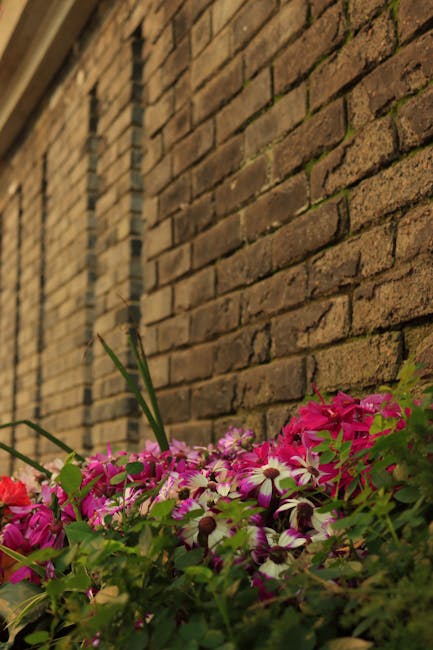
Alexandra Palace verge gardeners and front garden care: a practical local guide
If you live near Alexandra Palace, you already know the front of a property does a lot of heavy lifting. It is the first thing people see on the pavement, the bit that collects the wind-blown leaves, the patch that shows whether a home is cared for, and, if we are honest, the area most likely to look a bit tired after a wet week in North London. Alexandra Palace verge gardeners and front garden care is about more than making things look neat. It is about keeping the edge of your home tidy, safe, low-maintenance, and welcoming without turning every weekend into a gardening chore.
Whether your front garden has a narrow verge, a small planted strip, a hedge that is getting a little ambitious, or a driveway border that always seems to gather moss, the right routine makes all the difference. In this guide, we will walk through what verge care actually involves, how it works in practice, and how to get a front garden that looks good through the seasons without overcomplicating it. To be fair, that is what most people want: something smart, manageable, and not too fussy.
For a broader look at the kind of ongoing support that helps keep outdoor spaces in shape, you may also find the garden maintenance service useful, especially if your front garden needs regular attention rather than occasional rescue work.
Why Alexandra Palace verge gardeners and front garden care Matters
Front gardens are not just decorative. Around Alexandra Palace, they often sit right at the boundary between private space and the street, which means they face more wear than people expect. Foot traffic, passing bins, boundary hedges, parked cars, and changing weather all take their toll. One windy afternoon and suddenly you have leaves in the planting bed, a sagging edge to the lawn, and a pavement that looks less inviting than it did in the morning.
Good verge care does three things at once. It improves appearance, reduces maintenance headaches, and helps protect the garden from gradual decline. That might sound simple, but it is the difference between a front garden that quietly supports the property and one that becomes a constant job list.
It also matters because front gardens are often judged before the rest of the home. Visitors notice them. Neighbours notice them. You notice them every time you come back with shopping and see the same overgrown patch by the gate. Little things add up: a crisp edge, healthy planting, a hedge clipped to a sensible height, and a verge that does not spill into the pavement all create a calmer, more cared-for feel.
There is a practical side too. A tidy verge can make access easier for prams, wheelie bins, deliveries, and people walking by. In a built-up area, that matters. Nobody wants a front path that feels pinched by brambles or awkwardly blocked by tangled growth. And if your frontage includes mixed features such as shrubs, a small lawn, paving, and maybe a bit of decorative hard landscaping, regular attention keeps the whole thing balanced rather than messy.
Expert summary: front garden care is most effective when it is routine, not reactive. A little, often, beats a frantic overhaul every few months. That is especially true for small urban frontages where neglect shows quickly.
How Alexandra Palace verge gardeners and front garden care Works
In practice, verge and front garden care usually starts with an assessment of what is actually there. That sounds obvious, but it is the bit many people skip. A front garden might need mowing in one section, pruning in another, and a clear-up of fallen debris elsewhere. A good gardener will look at the site as a whole: light levels, drainage, soil condition, plant density, boundary lines, and how the space is used day to day.
The work itself is usually a mix of light, regular tasks and occasional heavier jobs. Regular work might include lawn edging, pruning soft growth, weeding, sweeping the frontage, and removing litter or leaf fall. Heavier work can include hedge trimming, reshaping shrubs, clearing a neglected verge, or resetting planting that has become crowded and weak. If the space has become badly overgrown, a one-off garden clearance can create a proper starting point before ongoing care begins.
Front garden care also tends to involve a rhythm. Spring usually calls for shaping, feeding, and freshening. Summer needs watering judgement and light maintenance. Autumn is when leaf fall and deadheading become more noticeable. Winter is more about structure, tidy edges, and preventing damage from weather and footfall. Nothing glamorous. But it works.
For many properties, the work is best split into practical zones:
- The street edge: keeping the verge neat, safe, and clear of spillover growth.
- The approach: the path, gate, and entrance area that shape first impressions.
- The planting area: shrubs, seasonal beds, small trees, and ground cover.
- The boundary: hedges, fences, walls, and any transition from garden to pavement.
Once those zones are understood, it becomes much easier to decide what should be cut back, what should be left alone, and what needs replacing altogether. Some gardens need softer attention. Others need firmer hands. A bit of judgement goes a long way.
Key Benefits and Practical Advantages
There are some obvious benefits to keeping a front garden under control, but the less obvious ones are often the most valuable. A well-kept frontage usually feels easier to live with. You stop noticing the same scruffy corner every time you leave the house. You stop worrying that guests will think the place is half-finished. Small relief, maybe, but real.
Here are the main advantages of consistent verge and front garden care:
- Better curb appeal: the house feels more finished, tidy, and looked after.
- Less long-term damage: regular pruning and weeding prevent plants from becoming woody, tangled, or weak.
- Safer access: clear paths and boundaries reduce trips, snagging, and blocked entrances.
- More manageable maintenance: small jobs stay small.
- Improved plant health: removing dead growth and crowding can help stronger plants thrive.
- Better use of space: even a tiny verge can feel purposeful rather than wasted.
There is also a psychological benefit people do not talk about enough. A neat front garden changes the way a home feels when you come back to it. After a long day, seeing a smart edge and a clean entrance is oddly calming. It is not dramatic, but it matters.
For households that want a broader improvement, front garden care often works best alongside hedge trimming and, where needed, lawn mowing. Those services help the whole frontage feel connected rather than patched together.
Who This Is For and When It Makes Sense
Not every property needs the same approach. The needs of a compact terrace with a narrow front strip are very different from those of a semi-detached home with a deep verge and established planting. That said, Alexandra Palace verge gardeners and front garden care tends to make sense for a few common situations.
You may need it if:
- your front garden has started to look overgrown between seasons;
- you want a better first impression for visitors or potential buyers;
- the verge is encroaching onto the pavement or path;
- you do not have the time or tools to keep up with regular pruning and edging;
- you have hedges, shrubs, or lawn areas that need regular shaping;
- you want a lower-maintenance layout with clearer structure.
It is also a sensible option after a period of neglect. Perhaps the property has been empty, or life has simply been busy. Happens to everyone. In those cases, the best route is usually a clean-up first, then a maintenance plan that keeps the job from snowballing again.
Front garden care makes particular sense for people who care about practicality, not just looks. If you want a space that drains well, is easy to pass, and does not shed soil or leaves all over the entrance, this is the right kind of work. It is the sort of maintenance that quietly pays you back every week.
Step-by-Step Guidance
If you are planning to improve a verge or front garden, a structured approach saves time and avoids overdoing it. Here is a sensible sequence.
- Start with a walk-through. Look at the space from the pavement, the front door, and the window. Where does it look untidy? What feels cramped? What is actually causing the mess?
- Remove obvious debris. Clear litter, dead leaves, fallen twigs, and broken stems. This gives you a clear view of the garden underneath the clutter.
- Define the edges. Crisp edges instantly improve a frontage. Cut back lawn margins, straighten planting lines, and create a clean separation between garden and pavement.
- Cut back problem growth. Tidy soft growth, shape shrubs, and reduce anything blocking paths or sightlines. If a hedge is the main issue, a proper hedge trimming session may be the most effective fix.
- Deal with weeds and weak plants. Remove weeds by the root where possible. Replace tired or failing plants if they are making the area look sparse or awkward.
- Check drainage and surface condition. If water pools after rain or paving is slipping under moss, make a note. It may need a more detailed landscaping solution later.
- Set a maintenance rhythm. Decide whether the frontage needs monthly care, seasonal care, or a slightly more hands-on schedule.
That last step is often the one people skip, and then the garden quietly gets away from them again. Truth be told, an attractive front garden is usually a result of consistency rather than big effort.
If the space also needs reshaping or more permanent improvements, landscaping or landscape gardening may be a better long-term route than repeated patch-up work. Sometimes a small redesign is the cleverer investment.
Expert Tips for Better Results
Good front garden care is not about doing everything. It is about doing the right things in the right order. A few practical habits make a noticeable difference.
- Keep the front edge tighter than the back garden. Street-facing spaces benefit from cleaner lines and less visual clutter.
- Choose plants that behave themselves. If a shrub grows too fast or spreads awkwardly, it becomes a job, not a feature.
- Leave breathing room around the entrance. Gates, paths, and steps should feel open. It makes the whole house feel more welcoming.
- Use repeat structure. A couple of recurring shapes or plant types often looks better than a mix of unrelated bits and pieces.
- Do a quick reset after storms. Wind and rain can make a frontage look rough in minutes. A ten-minute tidy-up is often enough.
- Think in layers. Low plants, mid-height shrubs, and a clear boundary usually work better than one dense mass.
One of the most useful habits is to stand across the road and look back at the house. You will spot things you missed up close. A leaning shrub, a messy verge edge, a patch that feels too dark. It is a simple trick, but it works every time.
If you are comparing ongoing maintenance approaches, a service that combines garden maintenance with selective pruning and light clearance tends to keep the frontage looking balanced without overworking it.
Common Mistakes to Avoid
Most front garden problems do not come from one big mistake. They build up from a few small ones. The most common issue is letting growth get too far before acting. Once a hedge has bulged outward or a verge has turned patchy, the fix takes longer and can look harsh if rushed.
Other mistakes include:
- Overcutting in one go. Heavy trimming can leave a front garden looking bare and stressed.
- Ignoring the boundary line. If the edge into the pavement is vague, the whole frontage looks untidy.
- Using the wrong plants. Some species simply do not suit exposed street-facing spaces.
- Forgetting access. A beautiful garden is of little use if it blocks the path or gate.
- Letting old debris sit too long. Leaves and cuttings left in place can make the garden look neglected very quickly.
A more subtle mistake is trying to make a front garden do too much. You do not need every possible feature. A small verge with healthy planting and clean edges often looks better than a cluttered display of bits and bobs. A little restraint, oddly enough, often gives the better result.
Tools, Resources and Recommendations
You do not need a shed full of specialist gear to keep a front garden in shape, but a few sensible tools make the work easier and safer. The basics usually include hand shears, secateurs, a rake, a sturdy hoe or weeding tool, gloves, and a broom or leaf collector for the frontage. For edging, a proper edging tool or strimmer can help, depending on the surface and layout.
If you are dealing with heavier growth or a long-neglected verge, it is often better to use professional support rather than force the job with blunt tools. The wrong cut can damage shrubs or leave them uneven for months. No one wants that odd, hacked-back look along the front of the house. It is not a great look, let's face it.
Useful service pages to consider, depending on the condition of the space, include:
- lawn mowing for neat, even front lawns;
- hedge trimming for boundary control and shape;
- tree lopping and removal where larger trees are creating shade, debris, or overcrowding;
- garden clearance for heavily overgrown spaces;
- services overview if you want to compare the available options first.
For planning and budgeting, a clear and upfront conversation matters. A good quote should explain what is included, what may count as an extra, and whether the work is a one-off tidy-up or a recurring visit. If you prefer to keep things simple, the pricing and quotes page is a sensible place to start.
Law, Compliance, Standards, or Best Practice
Front garden care is not usually complicated from a compliance point of view, but there are still sensible standards to keep in mind. In the UK, you should avoid allowing vegetation to obstruct pavements, gates, sightlines, or access routes. That is less about ticking boxes and more about being a good neighbour and keeping things safe.
If your verge or front garden borders a public pavement, best practice is to keep growth contained and not let branches, brambles, or low hedging become a nuisance. When trees or large shrubs are involved, care is especially important. Larger work should be handled cautiously, particularly where there are power lines, poor access, or structural features nearby. Safety first. Always.
It is also sensible to use a contractor with proper attention to insurance and safe working methods. That matters for any work involving ladders, cutting equipment, or disposal of green waste. You can review practical details on insurance and safety and the company's health and safety policy if you want reassurance before booking.
For households that value responsible disposal, recycling and sustainability is worth considering too. Green waste does not need to become landfill by default, and a tidy, well-managed service should handle it properly. Best practice is not flashy. It is just careful, consistent, and respectful of the space.
Options, Methods, or Comparison Table
There is more than one way to care for a front garden, and the right option depends on how much time, confidence, and upkeep you want to handle yourself. The table below gives a straightforward comparison.
| Approach | Best for | Pros | Limitations |
|---|---|---|---|
| DIY light maintenance | Small, tidy front gardens | Low cost, flexible, good for weekly touch-ups | Easy to fall behind, can miss structural issues |
| Regular professional maintenance | Busy households and ongoing frontage care | Consistent standard, less stress, better routine | Recurring cost, needs clear scope |
| One-off clearance and reset | Neglected or overgrown spaces | Fast transformation, creates a clean starting point | Not enough on its own if the garden is not maintained afterwards |
| Design-led landscaping | Front gardens needing a new layout | Improves long-term function and appearance | Higher upfront effort, may need planning and staging |
In many cases, the best answer is a combination. A one-off reset followed by light maintenance usually gives the best value. If a hedge is the main cause of the mess, pair routine care with occasional shaping. If the border has become awkward or unusable, a bit of redesign may be worthwhile. There is no prize for doing more than you need.
Case Study or Real-World Example
Imagine a typical Alexandra Palace frontage: a small lawn patch nearest the path, a mixed border along the wall, a hedge near the boundary, and a narrow verge that picks up leaves from the street. Over summer, the hedge grows forward. The border gets crowded. A few weeds settle in along the edge. By autumn, the whole front looks tired, even though none of the issues are dramatic on their own.
A sensible approach would start with clearing the leaf build-up and removing dead or weak growth. The hedge would be trimmed back to restore shape and access. The border would be thinned so the healthiest plants have room. The verge would be edged cleanly, and the lawn section mown back to a neat height. Nothing fancy, just careful work.
After that, a simple routine would keep things under control: a quick monthly check, seasonal pruning, and one deeper tidy after leaf fall. The result is not a show garden. It is better than that in everyday life. It is a frontage that feels easy to live with, looks neat from the pavement, and does not make you sigh every time you come home.
That is the quiet win with front garden care. You do the right things once, then keep doing them lightly. Much nicer than fighting the same mess again and again.
Practical Checklist
Use this checklist when reviewing a front garden or verge near Alexandra Palace:
- Is the pavement edge clear and tidy?
- Are hedges and shrubs contained and in proportion?
- Does the entrance feel open and easy to access?
- Are weeds, leaf fall, and debris under control?
- Does the garden look balanced from the street?
- Are any plants overcrowded, damaged, or poorly placed?
- Is the lawn section even and edged properly?
- Would a one-off clearance help before regular maintenance starts?
- Is there enough light and space for the plants that are currently there?
- Would a small redesign make the space easier to manage?
If you can answer "no" to several of those, the garden probably needs more than a quick tidy. That is fine. It just means the job is telling you what it needs, which is usually helpful if you listen early enough.
Conclusion
Alexandra Palace verge gardeners and front garden care is really about making the front of your home work better for you. It keeps the entrance tidy, protects the garden from getting out of hand, and creates a more welcoming feel without demanding constant effort. For many households, the winning formula is simple: clear the clutter, define the edges, trim growth sensibly, and keep up a steady maintenance rhythm.
If your front garden has started to feel like a background worry, that is usually the sign it needs attention now rather than later. Start with the visible problems. Then think about the layout, the long-term upkeep, and the kind of finish you actually want to live with. Small improvements add up. They really do.
Get a free quote today and see how much you can save.
And if you want to learn more about the team behind the work, you can visit the about us page or get in touch through the contact us page when you are ready. A well-kept front garden has a quiet kind of charm, and it is always nice to see a home looking like someone cares.
Frequently Asked Questions
What do Alexandra Palace verge gardeners and front garden care usually include?
It usually includes edging, weeding, pruning, hedge trimming, light mowing, debris removal, and general tidy-up work for the space facing the street. Some properties also need a reset first if the frontage has become overgrown.
How often should a front garden be maintained?
That depends on the planting and layout. Small, formal front gardens often benefit from monthly attention, while more established or fast-growing spaces may need seasonal visits plus a few lighter touch-ups in between.
Is verge care different from regular garden maintenance?
Yes, a bit. Verge care focuses more on the street edge, access, and visible frontage, while regular garden maintenance usually covers the broader outdoor space. In practice, they often overlap quite a lot.
Can front garden care improve property appearance quickly?
Absolutely. A clean edge, trimmed boundary, and cleared entrance can change the look of a home very fast. It is one of those jobs where the result is obvious the moment you step back.
What if my front garden is badly overgrown?
A one-off garden clearance is often the best first step. Once the space is reset, ongoing care becomes much easier and cheaper to manage.
Do I need landscaping or just maintenance?
If the garden is basically in good shape but untidy, maintenance is probably enough. If the layout is awkward, the plants are poorly placed, or the space does not function well, then landscaping may be the smarter option.
How do I keep a front garden low-maintenance?
Choose plants that suit the site, keep the structure simple, use clean edges, and avoid too many different features. Low-maintenance gardens are usually the ones with the clearest boundaries and least clutter.
Can hedge trimming make a big difference to a small frontage?
Yes, often more than people expect. A hedge that is trimmed properly can open up light, improve access, and make the whole front garden feel more spacious and controlled.
What should I ask before booking a gardening service?
Ask what is included, whether the work is one-off or ongoing, how waste is handled, and whether the team has appropriate insurance and safe working practices. Clear answers upfront save headaches later.
Is it worth combining lawn mowing with front garden care?
If the frontage includes lawn, then yes. A neat lawn edge and a tidy cut help the whole garden look coherent rather than partially finished. It is one of the simplest improvements you can make.
What happens to the waste after verge and front garden work?
That depends on the service, but green waste should normally be collected and managed responsibly. If sustainability matters to you, check the provider's recycling approach before booking.
How do I choose the right service for my frontage?
Start with the main problem. If it is overgrowth, clearance may come first. If it is general tidiness, maintenance could be enough. If the garden does not function well, landscape gardening or landscaping may give the best long-term value.